Card Template R20 Card Cut File SVG
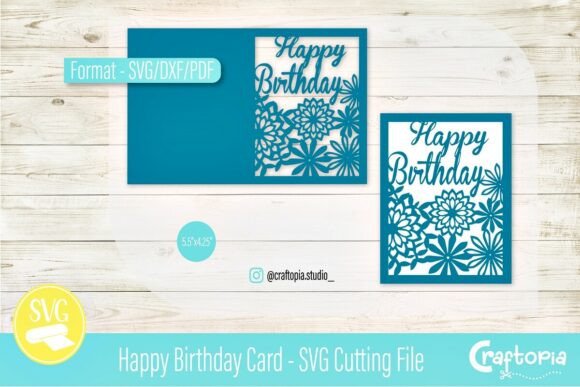
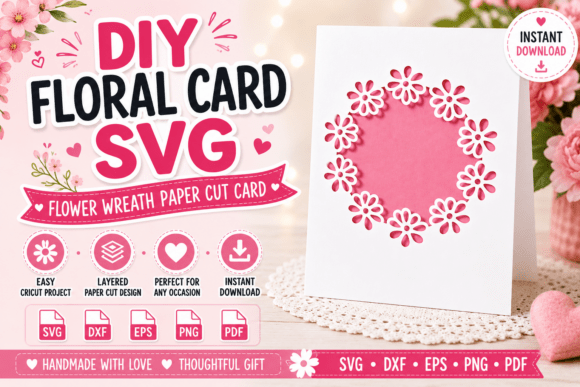
As a designer who spends hours troubleshooting stitch density and evaluating how digital files translate into tangible texture, I approach every new asset with a mix of excitement and skepticism. When Card Template R20 Card Cut File SVG landed in my review folder, my initial thought wasn't about the file format itself, but rather the mood it evoked. The description promises an elegant Flower Wreath design with a delicate paper-cut aesthetic, which immediately signals a specific type of project: one that requires finesse rather than brute force. While this product is categorized under Greeting Cards and listed as a 3D SVG for cutting machines like Cricut or Silhouette, I am evaluating its potential as a machine embroidery design or a guide for applique work. In my experience, the line between a cut file and an embroidered motif is often blurred, especially when creating custom apparel or boutique products.
The First Impression: Mood and Visual Personality
The moment you open the file, the layout speaks volumes about its intended use. A floral wreath implies symmetry, balance, and a sense of celebration. For an embroiderer, the "paper-cut" detail level is a double-edged sword. It suggests intricate negative space that could look stunning on a white tea towel or a light-colored tote bag, but it also demands precision. The visual personality here is soft, romantic, and timeless. It doesn't scream for attention; instead, it invites the viewer to lean in closer to appreciate the craftsmanship. This makes it an ideal candidate for personalized gifts, wedding favors, or high-end nursery decor where subtlety is valued over bold graphics.
I immediately envisioned this design not just as a flat image, but as a physical object sitting on a shelf. If we were to digitize this for stitching, the delicate lines would likely translate well into satin stitches for the outlines, while the inner petals might require a fine fill stitch or running stitch to mimic the texture of paper. The challenge lies in maintaining that "delicate" feel without the fabric becoming too stiff or the design losing definition during the washing process.
Real-World Application: From Screen to Stitch
Let's imagine a real scenario. I am preparing a batch of custom merchandise for a small shop owner who sells handmade baby items. She wants to create a special collection of embroidered bibs and muslin blankets for a gender-neutral baby shower. She needs a design that feels premium but isn't overwhelming on a small surface area. Card Template R20 Card Cut File SVG fits this brief perfectly. The circular nature of the wreath frames the chest area beautifully on a onesie or the center of a blanket.
In this context, the design elevates the perceived value of the finished product. Customers buying from Etsy or craft fairs are looking for uniqueness. A standard block logo won't cut it, but a detailed floral wreath suggests care and artistry. If we were to use this as a template for an applique design, layering different fabrics within the wreath could add a tactile dimension that pure stitching alone might lack. Imagine using a textured linen for the outer leaves and a smooth sateen for the inner flowers. The contrast would highlight the "paper-cut" aesthetic she is aiming for, turning a simple gift into a keepsake.
However, the versatility extends beyond baby items. I see this working exceptionally well for holiday embroidery projects, such as decorating kitchen towels for Christmas or Thanksgiving. The wreath theme is inherently seasonal yet adaptable. On a dark fabric background, the design would pop if paired with metallic threads, creating a luxurious look suitable for boutique branding. Conversely, on a crisp white apron, it offers a clean, professional finish that appeals to home cooks who want their gear to look polished.
Where Caution Is Required
Despite its elegance, there are specific scenarios where Card Template R20 Card Cut File SVG requires careful consideration. Embroidery is unforgiving of poor planning. If the original design features extremely tiny details or very thin connecting lines, attempting to stitch them on a stretchy fabric like a cap or a fitted t-shirt could lead to puckering or thread breakage. The stabilizer choice becomes critical here; without adequate support, the delicate curves might distort under the tension of the hoop.
I would advise against using this design for dense stitch areas on large garments unless the file has been professionally digitized to manage the stitch density. If the design is too heavy for the fabric weight, it will look lumpy and unprofessional. Furthermore, for products that need frequent washing, such as everyday tote bags or children's clothing, the stability of the design is paramount. If the file relies on long floating stitches or very small isolated elements, they may snag or unravel over time. Testing on scrap fabric is non-negotiable before committing to a client order.
Another limitation involves curved surfaces. While a wreath is round, applying it to a curved hat brim can be tricky if the design isn't optimized for the curvature. The spacing between the flowers might appear uneven once stretched over the curve of the cap. In these cases, adjusting the hoop size or repositioning the design on a flatter part of the garment is necessary to maintain brand consistency and visual appeal.
Design Notes for the Professional Maker
To ensure success with Card Template R20 Card Cut File SVG, I recommend a rigorous pre-production workflow. First, always check the thread color contrast. A design that looks vibrant on a screen might disappear on a dark navy fabric if the thread colors aren't chosen carefully. Run a test in black and white mockups to verify that the shapes hold their integrity without relying on color to define them.
Inspect the small details closely. Are there any corners that are too sharp or lines that are too thin? These are common pitfalls in digital-to-stitch conversions. If you plan to sell finished items, confirm the licensing terms explicitly. Many digital assets have restrictions on commercial use, and selling a product made from a file intended only for personal hobbyists can lead to legal issues. Ensure you have the right to sell the finished product.
When setting up your machine, review the stitch density settings. If the design feels too heavy, consider reducing the density slightly to allow the fabric texture to show through, which often enhances the "handmade" feel. Use proper stabilizer—cut-away for woven fabrics and tear-away for stable knits—to prevent distortion. Finally, compare the design on both light and dark fabric backgrounds to ensure it meets your quality standards across different product lines.
Ultimately, Card Template R20 Card Cut File SVG represents a strong opportunity for creative entrepreneurs looking to expand their inventory. Whether used as a direct embroidery pattern, a guide for applique, or a component in a larger design system, its floral wreath theme offers a versatile foundation for building trust with customers. By treating it with the respect it deserves—through testing, proper stabilization, and thoughtful execution—you can transform a simple digital file into a high-value finished product that stands out in a crowded market. The key is to let the design shine while ensuring the technical execution matches the artistic vision.