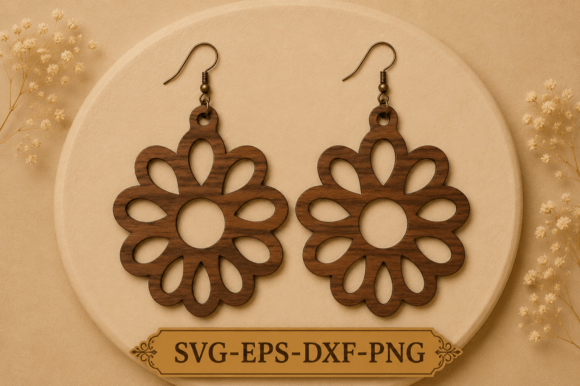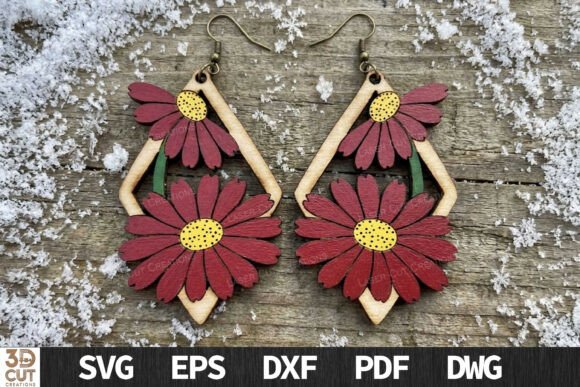
Daisy Diamond Wooden Earrings: A Designer's Review
As someone who has spent years reviewing machine embroidery designs and testing them on everything from delicate baby clothes to heavy-duty work aprons, I approach every new file with a mix of excitement and skepticism. Today, I am looking at the Daisy Diamond Wooden Earrings. At first glance, the name suggests a specific aesthetic, but as an experienced designer, I need to know if this design holds up when translated into real-world applications like custom apparel, boutique branding, or personalized gifts.
The initial impression of the Daisy Diamond Wooden Earrings is one of crisp elegance. The description highlights a clean floral style with layered details that are optimized for laser cutting on 3mm wood, plywood, or MDF. However, when we shift our perspective to consider its potential as a digital asset for embroidery or a hybrid craft project, the visual personality becomes fascinating. It feels designed for the modern maker who appreciates botanical themes but wants a geometric twist. The "diamond" aspect implies structure, while the "daisy" brings in softness. This duality makes it a versatile candidate for various embroidery projects, particularly those targeting a feminine, rustic-chic, or bohemian market.
Real-World Application: From Digital File to Finished Product
Let's imagine a scenario where I am preparing for a busy holiday season. I run a small shop on Etsy selling handmade goods, and I want to create a limited edition line of embroidered patches and tote bags featuring a unique floral motif. I pull up the Daisy Diamond Wooden Earrings file to see how it would translate onto fabric. Unlike standard floral patterns that can sometimes look muddy when stitched densely, this design promises crisp outlines. If the vector paths are sharp enough to cut cleanly through wood, they should theoretically hold their shape well on a stabilizer-backed cotton twill tote bag.
I envision using this design for a series of custom apparel items. Imagine a sweatshirt with the daisies placed subtly on the shoulder or a baby onesie where the diamond shapes add a playful contrast to the soft petals. For a personalized gift, the layered nature of the design could be used to create a dimensional effect by stitching different thread colors on separate layers before assembling them. This adds a tactile quality that customers love, elevating a simple handmade product into something that feels bespoke and high-value.
The versatility extends beyond just clothing. I see this working beautifully as a decorative element on kitchen towels or pillow covers. The clean lines would stand out against a linen background, offering a sophisticated touch without overwhelming the space. For commercial embroidery clients who want a logo or brand mark that isn't corporate and stiff, this design offers a fresh, organic alternative. It fits perfectly into the aesthetic of a boutique that sells natural soaps, artisanal candles, or handmade jewelry.
Performance on Different Fabrics and Surfaces
When evaluating any embroidery file, the devil is in the details, especially regarding stitch density and how the design interacts with fabric texture. The Daisy Diamond Wooden Earrings appears to rely on precise outlines and layered fills. In my experience, designs with intricate internal details require careful consideration of the base material. On smooth, tightly woven fabrics like poplin or sateen, the crisp edges should render beautifully. The satin stitches outlining the petals would likely provide a nice sheen, making the design pop.
However, caution is needed when applying this to textured fabrics. Thick knits, heavy denim, or loosely woven linens might cause the finer details of the diamond shapes to get lost or distort during the hooping process. If you are planning to use this on a tote bag design made of canvas, you must ensure you are using a high-quality tear-away or cut-away stabilizer to prevent the fabric from puckering around the dense areas. Similarly, for sweatshirt embroidery, the stretchiness of the fleece means you need a strong adhesive backing to keep the design flat and true to form.
One area where this design requires special attention is on curved surfaces like caps or hats. While the laser-cut inspiration suggests flat assembly, translating that to a curved cap brim or front panel demands precision. The diamond shapes might appear distorted if the curvature of the hat isn't accounted for in the digitizing phase. For embroidered patches meant to be ironed or sewn onto jackets, the design needs to be robust enough to withstand the wear and tear of daily use without fraying at the edges.
Where to Use Caution and What to Watch Out For
Not every project is a match for every design, and honest review means acknowledging limitations. The Daisy Diamond Wooden Earrings features detailed corners and layered elements. If you are working with a small hoop size, these tiny details might become too crowded, leading to thread breaks or a cluttered look. I recommend testing the design on scrap fabric first to ensure the stitch count allows for clarity within your available space.
Another critical factor is thread color contrast. Because the design relies on crisp outlines, using a thread color that is too similar to the fabric background will result in a washed-out appearance. For dark fabric, you will likely need a high-density underlay or a contrasting thread to make the daisy shapes visible. Conversely, on light fabrics, a dark outline provides definition, but the fill stitches must be dense enough to cover the base completely.
For products that require frequent washing, such as baby clothes or aprons, the durability of the design is paramount. Dense stitch areas can sometimes trap lint or dirt, and if the design is not properly secured with stabilizer, it may pull away from the garment over time. Additionally, if you are creating a holiday embroidery item, remember that the design's clean lines might feel too formal for some rustic holiday themes, though it works wonderfully for elegant winter weddings or spring celebrations.
Designer Notes for Success
Before you commit to running the Daisy Diamond Wooden Earrings on your production line, there are several practical steps to take. First, always test the design on a scrap piece of the exact fabric you intend to use. This helps you gauge the stitch density and see if the layers align correctly. Check your thread colors against the fabric; sometimes a color that looks perfect on screen appears dull once stitched.
Review the hoop size requirements carefully. If the design is large, ensure your machine can accommodate it without needing to re-hoop, which can misalign the pattern. Inspect the small details in the digital preview; if the diamond points are extremely fine, they may not register well on all machines. It is also wise to create a black and white mockup to verify that the contrast holds up without the distraction of color.
If you are a Etsy seller or small business owner, confirm the licensing terms before selling finished items. Ensure the digital embroidery file allows for commercial use. When presenting your finished product to customers, highlight the craftsmanship. Show close-ups of the crisp outlines and the way the layers interact. This transparency builds trust and demonstrates the professional quality of your work.
In conclusion, the Daisy Diamond Wooden Earrings design offers a blend of geometric precision and floral charm that fits well into the current trend of nature-inspired crafts. Whether you are making apparel decorators for a local boutique, creating design assets for digital previews, or crafting a unique gift for a loved one, this file has the potential to deliver a polished result. By paying attention to fabric choice, stabilizer support, and thread selection, you can transform this digital concept into a stunning physical reality that delights your customers and enhances your brand.