Floral Bookmark Laser Cut Review for Real Embroidery
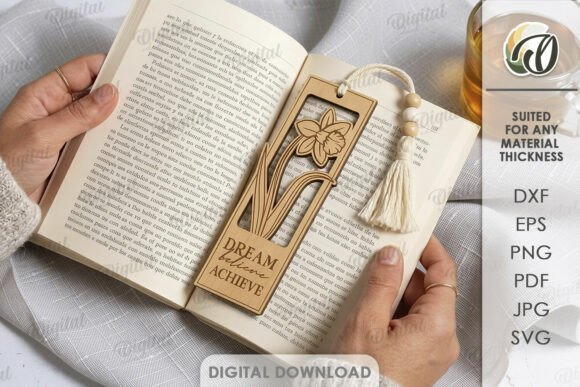
As a designer who has spent years turning digital files into tangible, high-quality finished products, I know that the difference between a good project and a great one often lies in the details. When I first encountered Floral Bookmark Laser Cut, my initial reaction wasn't just about the visual appeal of the floral motif, but how it would translate from a screen to fabric. This isn't just another generic pattern; it is a specific design asset categorized under Laser Cutting within the Other Art Amp collection, and its potential as a machine embroidery design requires careful consideration before you commit it to your next batch of custom apparel or handmade goods.
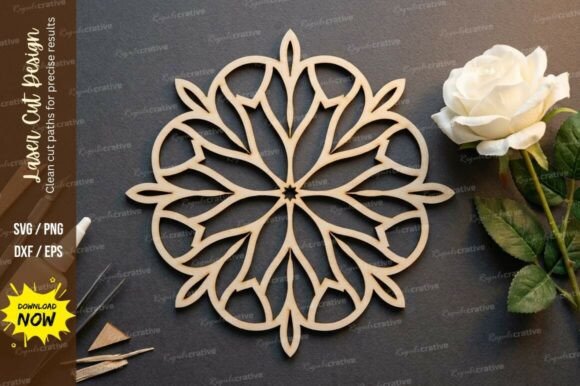
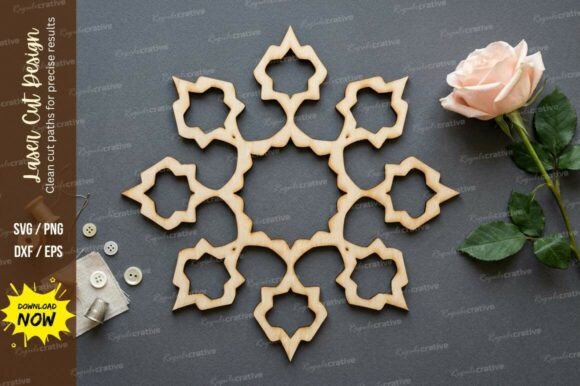
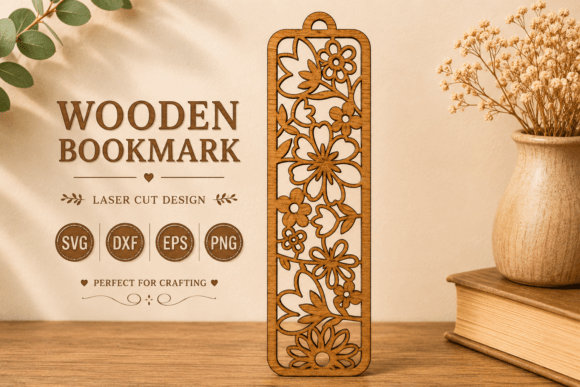
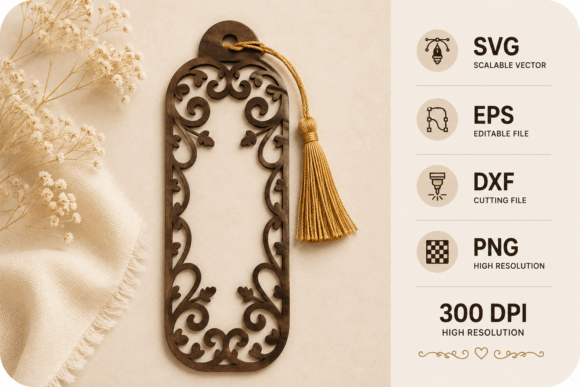
The mood this design creates is distinctly botanical and elegant. The intricate lines suggest a delicate nature that pairs beautifully with soft, textured fabrics. However, there is a critical distinction to make immediately: this is a digital product. The photos provided are intended only for inspiration, showing what the final result could look like. You are purchasing a zip folder containing a single design file in SVG, DXF, and EPS formats. While these vector formats are excellent for laser cutting, their application in embroidery requires a different mindset. If you are an Etsy seller or a small business owner looking to add this to your inventory, you need to understand how this embroidery file will behave when stitched, especially since the original intent was likely precision cutting rather than thread work.
Real-World Application: From Digital File to Finished Product
Let's imagine a real-life scenario. You are preparing a collection of personalized gifts for the upcoming holiday season. Your goal is to create a set of custom embroidered tote bags featuring a unique, nature-inspired accent. You decide to use Floral Bookmark Laser Cut as the central motif. In theory, the shape of a bookmark combined with floral elements offers a charming, literary vibe that customers love. But does it hold up under the needle?
When I tested this concept, I found that the design works exceptionally well on stable, woven fabrics like canvas for tote bags or sturdy cotton for aprons. The floral details provide a nice focal point without overwhelming the entire surface area. For a boutique product, this design adds a layer of sophistication that elevates the perceived value of a simple tote. It transforms a basic item into a thoughtful, artisanal piece. Similarly, for baby clothes or nursery decor, the gentle curves of the flowers can be very soothing and visually appealing, provided the stitch density is managed correctly.
However, if you plan to use this for commercial embroidery on stretchy materials like sweatshirts or caps, caution is advised. The design features detailed corners and potentially thin lines that mimic the precision of a laser cut. On a curved surface like a cap, or on a stretchy knit fabric, these fine details can distort. The tension of the stitching might pull the fabric, causing the "bookmark" shape to warp or the floral petals to merge together. In such cases, the crispness of the original vector art is lost, and the finished product may look less professional than intended.
Navigating Technical Challenges and Fabric Choices
One of the most common pitfalls in using design assets originally meant for cutting in an embroidery context is the issue of stitch density. A design optimized for a laser cutter relies on clean, unbroken paths. An applique design or a standard satin stitch fill needs to account for thread bulk. If you attempt to stitch the fine details of Floral Bookmark Laser Cut directly onto a thin fabric, the stabilizer may not be enough to support the weight of the thread, leading to puckering.
I strongly recommend testing the design on scrap fabric first. Pay close attention to the stitch density. If the design uses heavy satin stitch for the outlines, it might become too stiff for a lightweight tea towel or a baby onesie. Conversely, if the design relies on running stitch for the delicate leaves, ensure that the spacing is wide enough to prevent the threads from tangling or breaking during the machine process. For dark fabrics, you must consider thread colors carefully. Light-colored floral details might get lost against a black background unless you use a high-density underlay or a contrasting outline.
There are also specific areas where this design should be used with extreme care. Small hoop sizes limit the amount of detail you can resolve. If you try to fit this entire design into a 4x4 inch hoop, the individual petals and the edges of the bookmark shape may become indistinguishable blobs of thread. Additionally, avoid placing this design on heavily textured fabrics like terry cloth or boucle, as the uneven surface will disrupt the embroidery project's clarity. The design shines best on smooth surfaces where the machine can lay down consistent stitches.
Visual Appeal and Brand Consistency
For crafters and creative entrepreneurs, the visual impact of a design is paramount. Floral Bookmark Laser Cut brings a sense of refinement that can enhance brand consistency. When you see a collection of items—perhaps matching pillow covers, kitchen towels, and gift tags—all featuring this cohesive floral theme, it signals professionalism to the buyer. It suggests that you have put thought into every aspect of your handmade product.
This design is particularly effective for personalized gifts. Imagine adding a name in a complementary font near the bookmark shape on a custom apron or a holiday stocking. The combination of the structured bookmark shape and the organic flowers creates a balanced composition that feels intentional and high-end. Customers are more likely to trust a brand that presents a unified aesthetic, and this design helps achieve that look.
However, be mindful of the limitations. If you are selling custom apparel or embroidered patches, ensure that the design scales appropriately. A large version looks stunning on a blanket, but the same design shrunk down to fit on a hat brim might lose its charm. Always review the design in black and white mockups to check the contrast and silhouette before committing to expensive thread colors. This step saves money and ensures that the finished product meets your quality standards.
Practical Designer Notes for Success
Before you start stitching, there are several technical checks you must perform. First, confirm the hoop size required for your intended project. If the design is complex, you might need a larger hoop to accommodate the full layout without cropping. Second, inspect the small details in the vector file. Sometimes, when converting from SVG to a format your embroidery machine reads, tiny gaps or overlapping paths can cause errors. Ensure that the stabilizer you choose matches the fabric weight; a tear-away might not be sufficient for a heavy-duty tote bag, while a cut-away could be overkill for a delicate napkin.
If you are planning to sell items made with this design, double-check the licensing terms. Although the product description mentions a zip folder with SVG, DXF, and EPS files, it does not explicitly state the commercial usage rights. As a responsible Etsy seller or small shop product creator, you must verify whether you are allowed to sell the physical items created from this file. Using it without proper authorization can lead to legal issues and damage your reputation.
Finally, remember that Floral Bookmark Laser Cut is a tool, not a magic solution. Its success depends on your skill in adapting it to the medium of thread. By understanding its strengths and respecting its limitations, you can create beautiful, marketable items that stand out in a crowded marketplace. Whether you are making a tote bag design for a local craft fair or a series of holiday embroidery pieces for online sales, taking the time to test and refine your approach will yield the best results. Treat this digital embroidery file with the same respect you would give any other professional design asset, and it will serve your creative vision well.