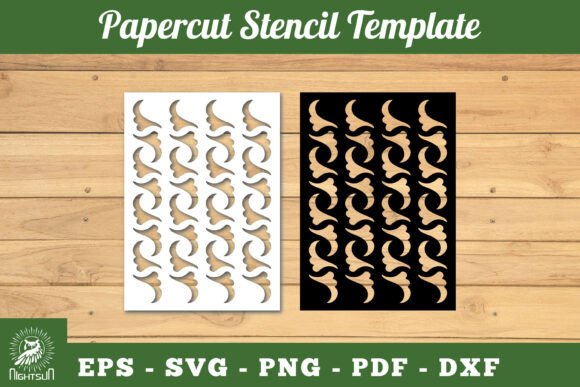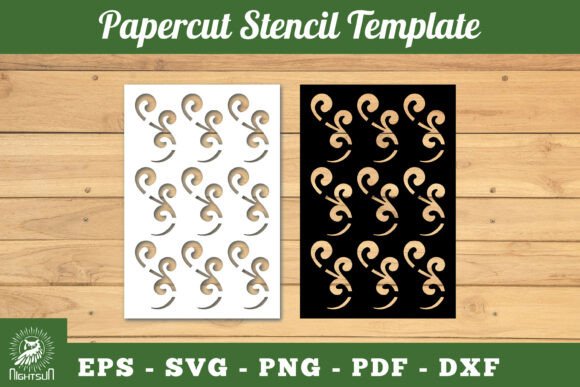
Floral Pattern Papercut Stencil SVG 1 Review
As a designer who has spent years refining embroidery files for boutique brands and personal commissions, I approach every new digital asset with a mix of excitement and skepticism. When Floral Pattern Papercut Stencil SVG 1 landed in my inbox, I wasn't just looking at a file; I was visualizing how it would translate from a screen into thread on fabric. The product description lists formats like AI CS6, EPS, PNG, PDF, and DXF, which suggests versatility for both cutting machines and embroidery workflows, but the real test is always in the execution.
The immediate mood this design creates is one of delicate elegance mixed with structural integrity. Unlike standard floral motifs that can feel soft or overly organic, the "papercut" aesthetic implies crisp edges and distinct negative space. This is crucial for embroidery because it dictates how the stitches will interact with the background. If you are an Etsy seller or a small shop owner looking to create unique handmade products, this specific style offers a modern twist on traditional botanical themes. It feels less like a vintage applique and more like a contemporary graphic element waiting to be stitched.
Real-World Application: From Screen to Stitch
Let's talk about a concrete scenario. Imagine you are preparing a custom embroidered tote bag for a local craft fair or a personalized gift for a wedding party. You need something that looks professional but retains that artisanal charm. I decided to run Floral Pattern Papercut Stencil SVG 1 through a simulation for a medium-sized tote bag project. The papercut nature of the design means it relies heavily on clean lines, which translates beautifully when converted into satin stitch borders.
However, the transition from a vector cut file to a machine embroidery design requires careful consideration. In a real-life setting, using this as a base for a sweatshirt embroidery project could yield stunning results if the density is managed correctly. The intricate details inherent in a papercut stencil often look best when they serve as a frame or a central focal point rather than a background texture. For a baby item, such as a onesie or a nursery pillow cover, the design offers a sophisticated alternative to the typical cartoonish prints parents expect. It elevates the perceived value of the finished product immediately.
I also considered its potential for commercial embroidery projects involving branded merchandise. A small business selling kitchen towels or aprons could use this pattern to add a touch of seasonal flair without overwhelming the garment. The clean geometry works well for branding consistency, ensuring that whether the item is sold online or at a physical boutique, the visual identity remains sharp. When customers see a high-quality embroidered patch featuring this design, the precision of the stitches reinforces trust in the brand.
Where Caution is Required
While the design is visually striking, no single embroidery file is a universal solution. There are specific scenarios where Floral Pattern Papercut Stencil SVG 1 might struggle if not handled with expert judgment. One of the primary concerns is the hoop size. Because the design features detailed corners and potentially fine lines, attempting to stitch it in a very small hoop can lead to distortion. The curves might pull, causing the papercut effect to lose its definition. If you are working on curved surfaces like caps or hats, the tension required to keep the fabric flat can sometimes cause the intricate details to bunch up, ruining the crisp aesthetic.
Fabric choice is another critical factor. Textured fabrics, such as heavy denim or boucle, can obscure the fine lines of a papercut design. Similarly, thin or stretchy fabrics present a risk of puckering, especially if the stitch density is too high. Dark fabrics require a different approach to thread colors; if the underlay isn't sufficient, the design might bleed into the background, losing its contrast. I would advise against using this for items that need frequent washing, like work uniforms or children's play clothes, unless the stitching is reinforced with a robust stabilizer system. The delicate nature of the papercut motif makes it slightly more susceptible to wear and tear compared to bolder, simpler patterns.
Visual Appeal and Customer Perception
In the world of digital product sellers and creative entrepreneurs, the difference between a generic listing and a standout product often comes down to presentation. Floral Pattern Papercut Stencil SVG 1 has a distinct personality that commands attention. When used in printable mockups for Etsy listings, the clean lines allow the viewer to instantly visualize the final result. This clarity helps drive buyer engagement because customers can easily imagine the design on their own garments or home decor items.
The design also enhances the "handmade" feeling of a product. Even though it is a digital asset, the complexity of the papercut style suggests effort and skill. This perception increases the perceived value of the finished product, allowing artisans to price their goods higher. For holiday gifts or wedding favors, the timeless yet modern vibe ensures the item doesn't look dated in a year or two. It strikes a balance between trendy and classic, which is essential for long-term sales success.
Practical Notes for the Embroidery Designer
If you are planning to integrate this design into your workflow, here are some practical steps to ensure success. First, always test the design on scrap fabric before committing to a final piece. This allows you to gauge how the stitch density interacts with your specific material. Check the thread color contrast carefully; the papercut style relies on the interplay between the thread and the fabric, so a poor color choice can flatten the image.
Review the stitch types included in the conversion. A combination of satin stitch for the outlines and fill stitch for the interior sections usually yields the best results for this type of pattern. If the design includes running stitch elements, ensure they are spaced correctly to maintain the open, airy feel of the papercut look. Confirm your hoop size matches the dimensions of the design to avoid unnecessary stretching. Inspect small details closely after stitching; if any tiny corners are missing, you may need to adjust the digitization settings or simplify the path slightly.
It is also wise to test the design in black and white mockups first. This removes the distraction of color and lets you focus purely on the composition and line weight. Compare how it looks on light versus dark backgrounds to determine the best application. Always use proper stabilizer appropriate for the fabric weight to prevent shifting during the embroidery process. Finally, verify whether the license terms allow for both personal and commercial projects. Many designers overlook this, only to face legal issues later when selling finished items or digital previews.
While the product category mentions "Spring Amp" and "Laser Cutting," these terms primarily highlight the file's origin and versatility. As an embroidery designer, you should treat this as a versatile embroidery file that can bridge the gap between cutting and stitching. Whether you are creating a custom apparel line, a series of personalized gifts, or digital assets for other makers, Floral Pattern Papercut Stencil SVG 1 offers a strong foundation. Just remember that the magic lies in the execution, not just the file itself. With the right preparation and attention to detail, this design can become a staple in your collection of design assets.