Floral Scull Earrings Laser Cut Review
When I first opened the file for Floral Scull Earrings Laser Cut, my initial reaction was one of curiosity mixed with a designer's skepticism. As someone who has spent years reviewing digital assets for both personal hobbies and commercial boutique lines, I know that a pretty preview image often hides technical realities that only reveal themselves under the needle or laser cutter. This design is marketed as an SVG file suitable for laser cutting on materials like plywood, MDF, acrylic, and metal, but its intricate nature begs the question: can it translate effectively into other creative avenues, or does it belong strictly in the realm of physical fabrication?
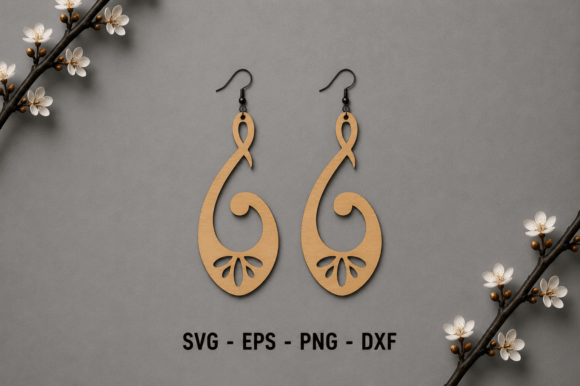
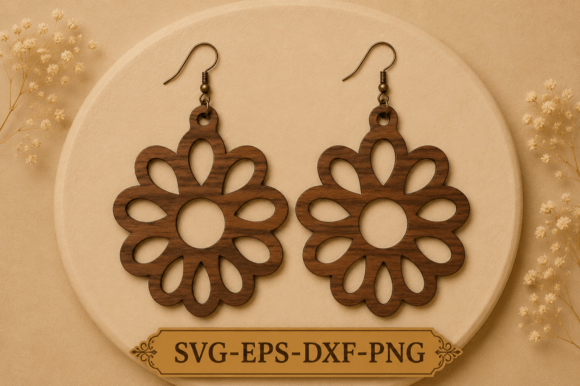
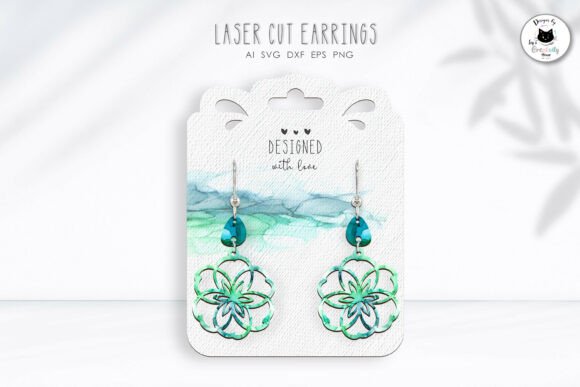
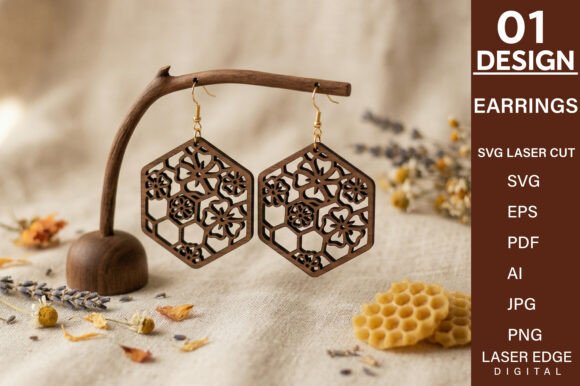
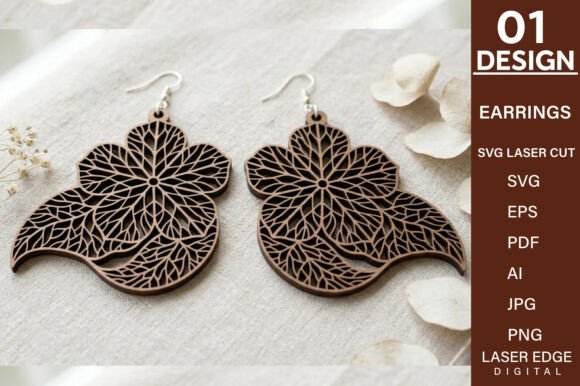
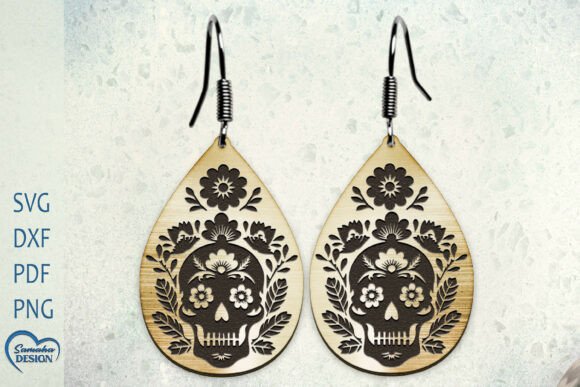
The visual personality of Floral Scull Earrings Laser Cut is undeniably romantic yet structured. The motif combines organic floral elements with the geometric precision of a skull, creating a piece that feels edgy without being aggressive. It possesses a specific mood that screams "boutique branding." If you are an Etsy seller looking to create a line of handmade products that stands out from the generic pastel trends, this design offers a unique hook. However, before committing to a production run, I had to put myself in the shoes of a customer wondering how this would look on a finished product.
Let me take you through a real-life scenario where I tested the viability of this asset. Imagine you are preparing a custom gift package for a client who loves alternative fashion. You decide to create a personalized tote bag featuring this design. At first glance, the concept seems perfect; a sturdy canvas tote with a laser-cut style floral skull logo looks professional and high-end. But here is where the practical judgment comes in. Since the original file is optimized for laser cutting rigid materials like acrylic or wood, applying it directly to fabric requires a significant shift in approach. You cannot simply stitch a laser cut file as if it were a standard embroidery pattern without adjustments.
If you attempt to use Floral Scull Earrings Laser Cut as a direct machine embroidery design on a sweatshirt or baby item, you will likely encounter issues with density. Laser files rely on clean vector paths and solid fills, whereas embroidery relies on thread coverage. The fine details that make the laser version look crisp might become muddy when converted to satin stitches or fill stitches. For a small business owner, this distinction is critical. A blurry embroidered patch on a holiday gift can ruin the perceived value of your handmade product. Therefore, while the design is excellent for creating a physical cut-out to be appliquéd onto a fabric surface, using it as a pure stitching file requires careful conversion and testing.
I also considered the potential for this design in wearable accessories beyond just clothing. Picture a set of embroidered patches applied to a denim jacket or a leather apron. In this context, the sharp lines of the Floral Scull Earrings Laser Cut theme shine. The contrast between the delicate flower petals and the bold skull shape creates a visual rhythm that works beautifully on textured fabrics. When used as a decorative accent on a kitchen towel or a pillow cover, the design adds a touch of sophistication that elevates a simple household item into a statement piece. This is the kind of detail that drives engagement on social media and increases click-through rates for an Etsy listing.
However, there are specific scenarios where caution is required. If you plan to use this design on a cap or hat, the curvature of the fabric presents a challenge. Laser cut designs are flat by nature, and forcing them onto a curved surface can distort the geometry unless you are skilled at 3D appliqué techniques. Similarly, for small hoop sizes, the intricate details of the floral scull might get lost. Tiny running stitches or narrow satin columns can break easily during the hooping process, especially on stretchy fabrics like jersey or thin cotton blends. If you are targeting the baby embroidery market, you must ensure that the design is simplified enough to avoid stiff, uncomfortable areas on delicate skin.
Another critical factor is the choice of stabilizer and thread colors. To maintain the clarity of Floral Scull Earrings Laser Cut, you need a high-quality tear-away or cut-away stabilizer that supports the dense areas of the design without puckering the fabric. Dark fabrics present another hurdle; the white or light-colored outlines that define the laser cut effect might disappear if not carefully balanced with a contrasting thread color. I always recommend testing your design in black and white mockups first to ensure the negative space works as intended. This step saves time and prevents costly mistakes when you are rushing to meet a deadline for a craft fair or a holiday rush.
For the digital product sellers and creative entrepreneurs reading this, understanding the licensing and usage rights is paramount. While the file is described as an SVG suitable for increasing the size, it is essential to confirm whether the license allows for commercial use on finished items. Many designers assume that buying a file grants full rights to sell the physical output, but terms vary. Always check the documentation provided with Earrings Laser Cut and similar assets before listing your products on platforms like Etsy or Shopify. A clear license builds trust with buyers and protects your brand from legal headaches.
Ultimately, Floral Scull Earrings Laser Cut is a versatile asset, but its success depends on how you adapt it to your medium. It excels as a source for creating physical cut-outs that serve as templates or appliqué bases. When used correctly, it enhances the visual appeal of your finished product, signaling professionalism and attention to detail. Customers notice these nuances; they can tell the difference between a rushed job and a thoughtfully designed piece. Whether you are making personalized gifts, boutique merchandise, or custom apparel, this design offers a strong foundation for creativity.
Before you start your next project, remember to test on scrap fabric, review your stitch density, and inspect the small details closely. Use proper stabilizers and choose thread colors that complement the mood of the design. By taking these practical steps, you ensure that the final result matches the high standards expected by today's discerning buyers. This design is more than just a file; it is a tool that, when wielded with skill and insight, can transform a simple material into a memorable handmade product.