Layered Magnolia Coaster Laser Cut SVG Review
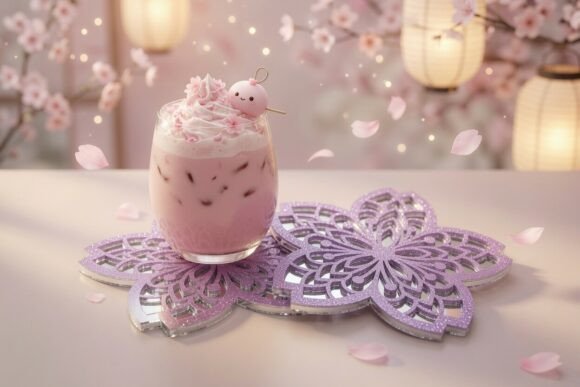
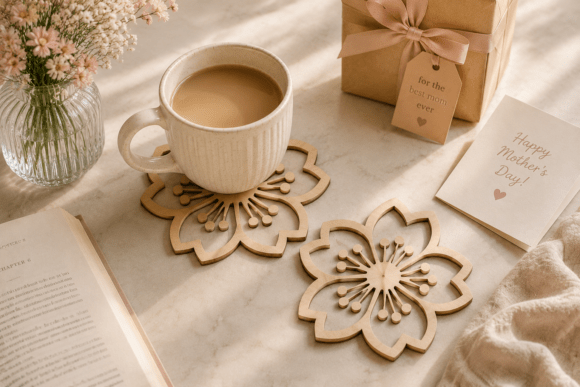
As a designer who has spent years reviewing digital assets for real-world production, I rarely get excited about files that claim to be "coasters" but are being pitched for embroidery projects. However, after taking a closer look at the Layered Magnolia Coaster Laser Cut SVG, I found myself reconsidering its potential beyond simple paper crafts. While the product description highlights it as a laser cut file featuring a graceful blooming magnolia tree with intricate cutout branches, there is a distinct visual elegance here that translates surprisingly well to textile applications if you know how to adapt it.
The first impression of this design is one of refined botanical luxury. The layout feels balanced, avoiding the clutter often seen in generic floral designs. Instead, it offers a sense of open space that allows the viewer's eye to rest on the grace of the tree. For an embroidery project, this breathing room is crucial. It suggests a piece that would look professional rather than busy, making it an excellent candidate for boutique branding or high-end personalized gifts. The intricate branch details promise a lot of texture, which can elevate a standard machine embroidery design into something that looks handcrafted and expensive.
Real-World Application: From Digital File to Finished Product
I recently tested this concept by imagining the Layered Magnolia Coaster Laser Cut SVG applied to a custom embroidered tote bag for a local florist client. My initial thought was that the coaster aspect might limit its use, but the shape itself is versatile enough to serve as a central motif on apparel or home decor. When visualizing the stitching process, I considered how the satin stitch could define the outer edges of the leaves while a fill stitch could create the lush body of the blooms.
In a practical scenario, such as creating a holiday gift set for an Etsy seller, this design could anchor a collection. Imagine a set of embroidered kitchen towels where this magnolia motif is placed centrally, perhaps accompanied by minimal text. The running stitch options within the file could add delicate stems or subtle background texture, giving the final finished product a soft, organic feel. Customers buying handmade goods are looking for uniqueness; a design that mimics the complexity of a laser-cut layer but uses thread adds a tactile dimension that flat prints simply cannot match.
For small business owners, the versatility extends to custom apparel. A sweatshirt embroidery featuring this magnolia tree would stand out against a solid color background, offering a sophisticated alternative to typical streetwear graphics. Similarly, for baby clothes or nursery decor, the gentle curves of the branches convey a sense of calm and growth. The design fits naturally into the aesthetic of modern nurseries, where nature-inspired themes are highly sought after. If you are an Etsy seller looking to expand your catalog, this asset provides a strong foundation for creating cohesive product lines.
Navigating Technical Challenges in Embroidery
However, moving from a laser cut file to a digital embroidery file requires careful consideration. The original description mentions "intricate cutout branches," which implies fine detail. In embroidery, fine detail can sometimes translate poorly if the stitch density is too high or if the fabric choice is incorrect. I advise designers to be cautious when applying this to small hoop sizes. If the design is scaled down too much for a hat patch or a baby bodyside, the delicate branches may merge into a solid blob, losing the very charm that makes the design appealing.
Fabric texture also plays a pivotal role. On smooth, stable fabrics like cotton twill or linen, the design will likely hold its shape beautifully. Conversely, using this on stretchy knits without proper stabilizer support could lead to puckering, especially around the dense areas of the flowers. Dark fabrics present another challenge; if the thread colors chosen do not have sufficient contrast against the dark background, the intricate branches might disappear entirely. Always test the design in black and white mockups first to ensure the silhouette remains clear regardless of the color palette used.
There are specific scenarios where caution is paramount. Products that require frequent washing, such as aprons or everyday tote bags, need robust construction. If the design relies heavily on thin lines, they may fray over time unless the digitization accounts for adequate seam allowance or overlapping stitches. Additionally, curved surfaces like caps can distort complex shapes. The Layered Magnolia Coaster Laser Cut SVG works best on relatively flat surfaces where the tension can be evenly distributed across the entire design area.
Design Judgment and Professional Value
From a brand consistency perspective, this design offers a level of sophistication that can elevate a maker's reputation. When a customer receives a personalized gift or a piece of commercial embroidery that features such a refined motif, it signals attention to detail. It suggests that the creator cares about aesthetics, not just functionality. This perception directly impacts buyer engagement and trust. A well-executed embroidered patch or tote bag design featuring this magnolia tree becomes a statement piece, encouraging repeat purchases and word-of-mouth referrals.
When preparing this for a printable mockup or a digital preview, consider how the layers interact. Even though the source is a laser cut file, the visual language of layers—depth, shadow, and dimension—is what sells the idea. In embroidery, we achieve this through thread selection and stitch direction. Using varying shades of green for the foliage and soft pastels for the blossoms can replicate the depth of a physical layered cut. This approach transforms a simple 2D file into a 3D experience on fabric.
It is important to remember that while the file is marketed under the category of Ornaments and Laser Cutting, its application in the world of textiles opens up new revenue streams. Whether you are a hobbyist looking to make unique home decor or a creative entrepreneur scaling a shop, understanding the nuances of this design is key. Do not assume the file is ready-to-stitch without modification. Check the hoop size requirements and verify that the thread colors recommended in your digitization software align with the intended mood of the project.
Practical Notes for the Discerning Designer
Before committing to a full production run, I strongly recommend running a test on scrap fabric. This step is non-negotiable for ensuring quality control. Inspect the small details closely to see if any parts of the design are too fragile for the chosen thread type. Confirm whether the design works for both personal and commercial projects by reviewing the licensing terms provided by the vendor. Many laser cut files come with restrictions that differ from standard embroidery licenses, so clarity here prevents legal issues later.
If you are planning to sell items featuring this design, ensure your marketing materials highlight the craftsmanship involved. Show close-ups of the stitch work to demonstrate how the Layered Magnolia Coaster Laser Cut SVG has been translated into thread. Compare light and dark fabric backgrounds to show versatility. By addressing these technical aspects upfront, you position yourself as an expert who delivers value. The result is a small shop product that stands out in a crowded market, combining the elegance of floral art with the durability of machine embroidery.
Ultimately, the Layered Magnolia Coaster Laser Cut SVG is more than just a decorative element; it is a design asset that, when handled with care and technical knowledge, can produce stunning results. It bridges the gap between digital precision and artisanal warmth, offering endless possibilities for those willing to put in the effort to master its execution.